Like pretty much anybody else effectually the world right now, we are under strict quarantine. We also happen to run a D&D group that, up until recently, exclusively met in person. Since nosotros're all home-spring for the foreseeable future, I've started learning how to prepare digital maps in Roll20 for my players. I learned that it wasn't quite every bit straight-forward as I would like, then I wanted to put a tutorial together for you about making maps for Roll20. All of the digital piece of work I practice is in Photoshop, and then I'm going to go through the whole process for today's topic.
Non only volition I talk over how to optimize your map for Roll20 if y'all're creating your own, I will also testify you lot how to add and format information technology in one case you're ready. Even if you aren't a Photoshop wizard, this tutorial volition help guide you into uploadingany map you may have admission to (You're certainly welcome to check out our Shop page if you demand to stock up on some maps).
Let'due south begin!
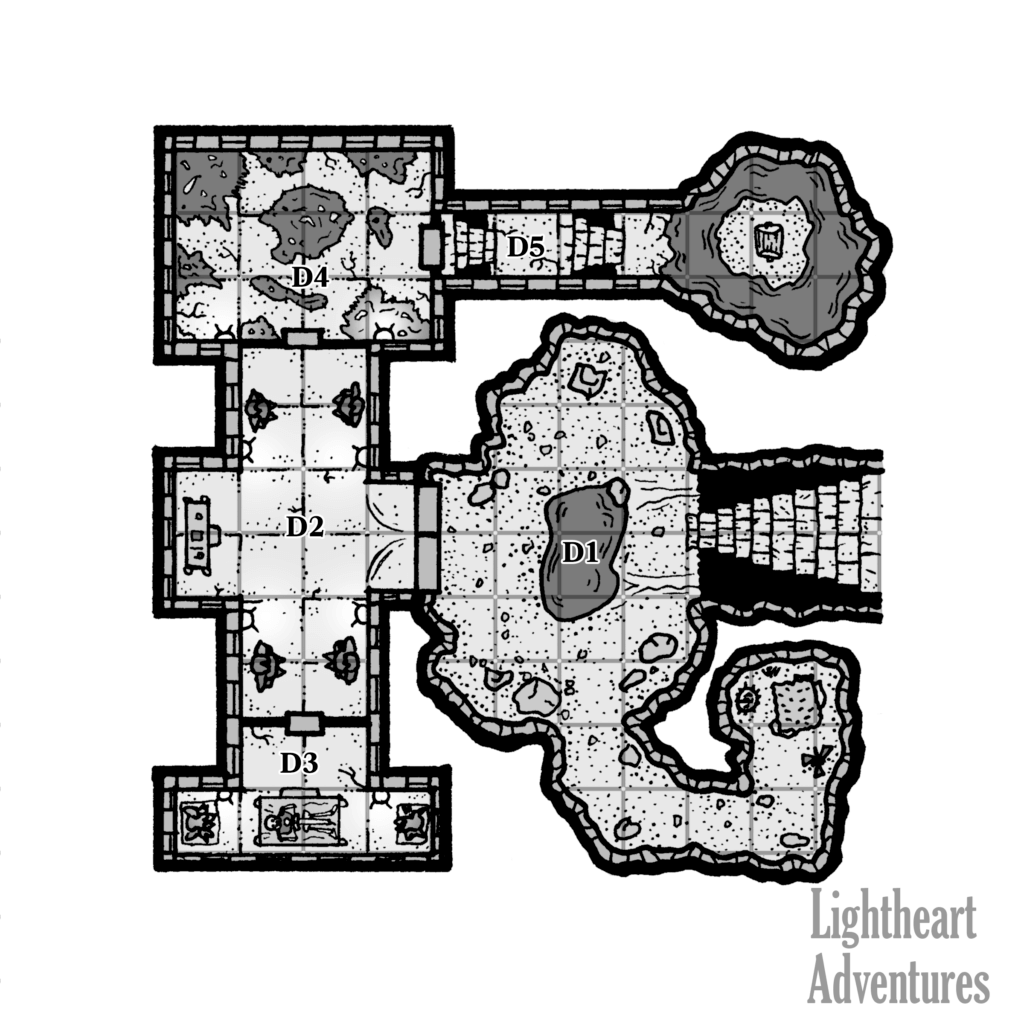
The first matter to consider for your maps is the file size. When starting the bare project you'll have the option of choosing your folio elevation and width. Knowing alee of time what kind of encounter you want to create volition assist determine what you lot need. Roll20 has a 10 Mb limit for uploaded images, so nosotros'll want to keep things modest. Larger maps often mean larger file sizes, only keep in heed that larger maps, such every bit dungeons, tin be dissever into individual room images to go along file sizes downward.
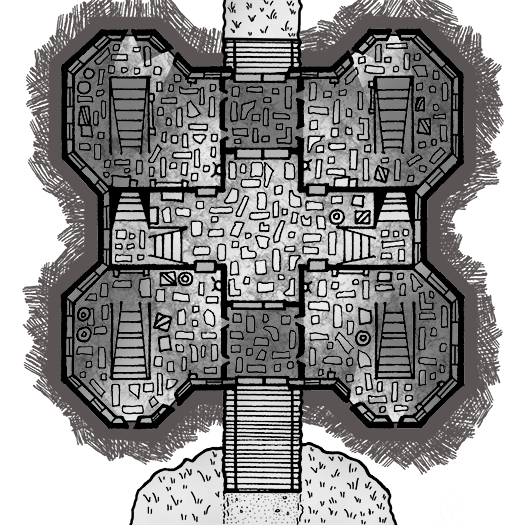
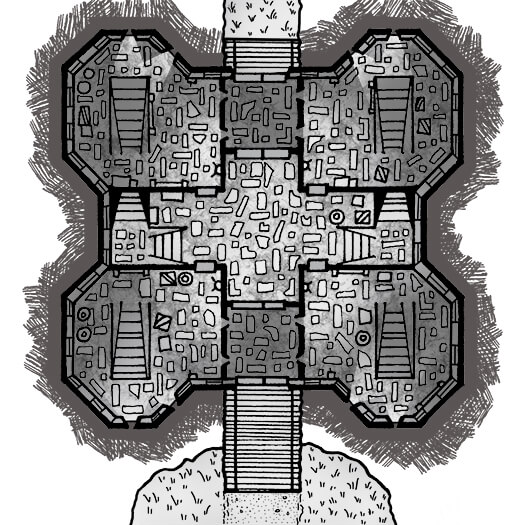
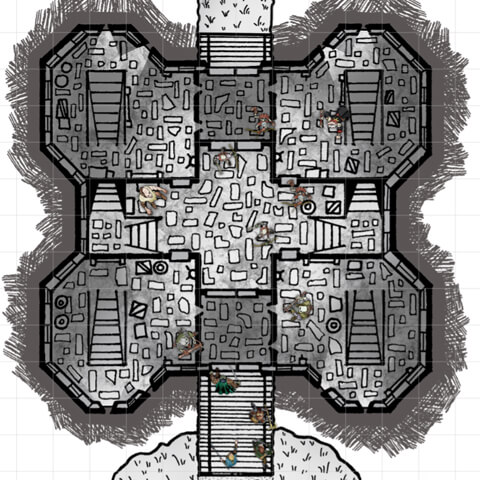
For example, instead of doing one full prototype…
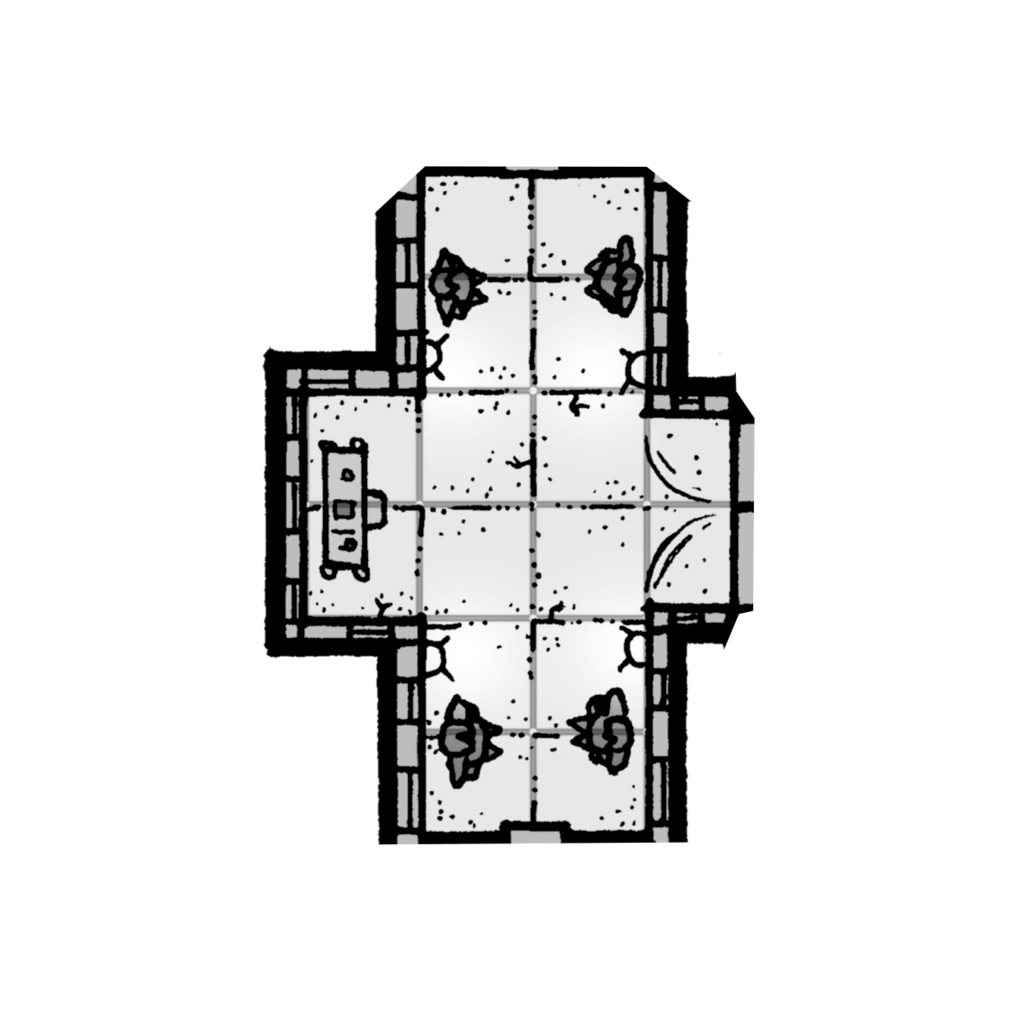
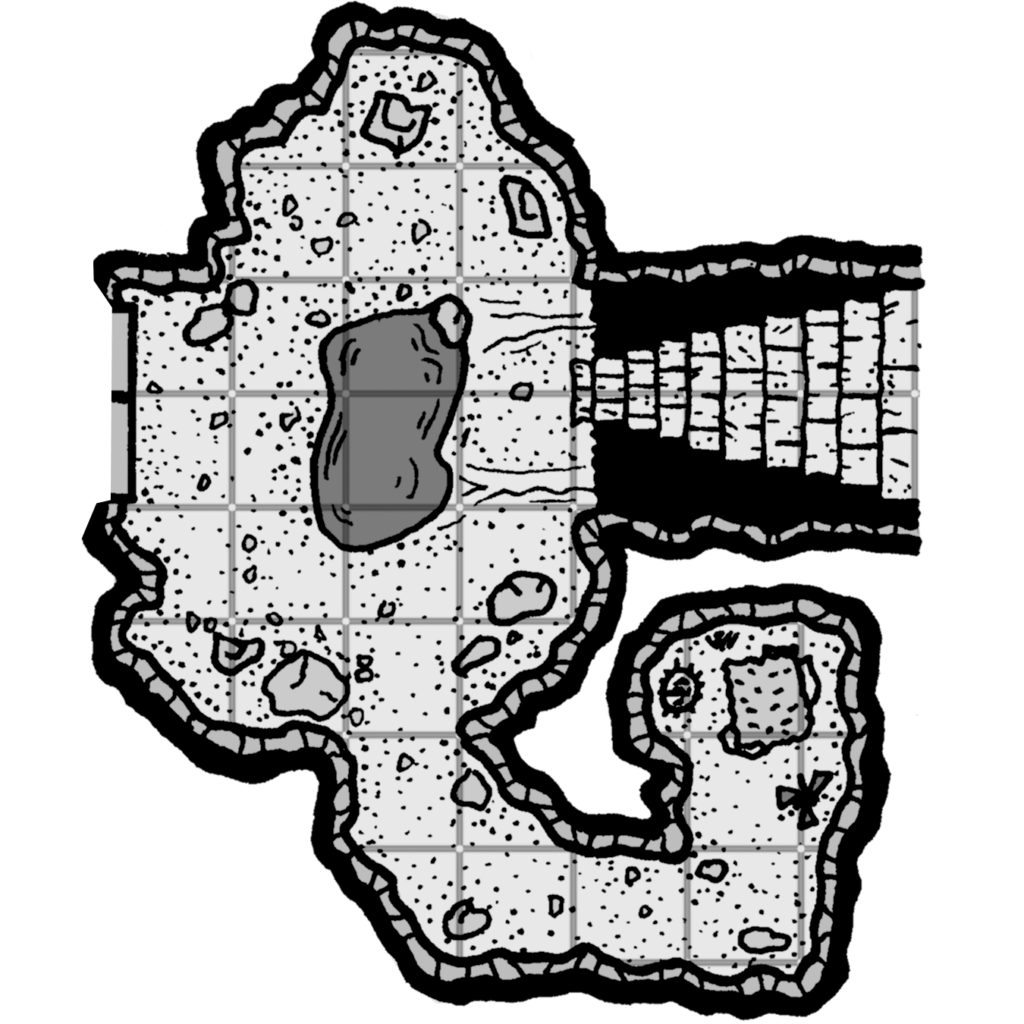
…you tin split it into smaller rooms as needed!
Next up is establishing your page DPI or Dots per inch. DPI determines the dots per inch in a digital image. A higher DPI count increases film quality but causes the file size to increase exponentially. High DPI is cracking for images that you intend to physically impress, merely for Roll20 nosotros'll want a DPI between 72 and 150.
(Here's some of our all-time tips for digitizing your maps.)
In one case y'all're finished with the map, it'due south time to pick a file type! The two main file types we can choose from are JPEGs and PNGs.
JPEGs (Joint Photographic Experts Grouping) are the preferred file blazon for Roll20 as their file sizes are lower. The disadvantages of JPEGs are that their film quality degrades over time and that they cannot accept any transparency effects. For example, any blank space in a JPEG prototype is automatically filled in with white which could obscure other images beneath information technology.
The alternative is PNGs or Portable Graphic Network. PNGs accept larger file sizes but their quality remains consequent over long periods of use, plus additional effects, such every bit transparencies, are bachelor. Picking the correct file type is going to be dependent on what maps you lot're planning on using for your games.
Making maps to utilize multiple times and including transparencies? Consider PNGs.
Using the map as a one and washed run across? JPEGs are the way to go.
(I hope these are two different files–can you see the white groundwork around the JPEG?)
At present that we've got our maps set up, it's time to import them intoRoll20. If you don't have an business relationship with Roll20 yet, it's easy (and costless) to sign up.
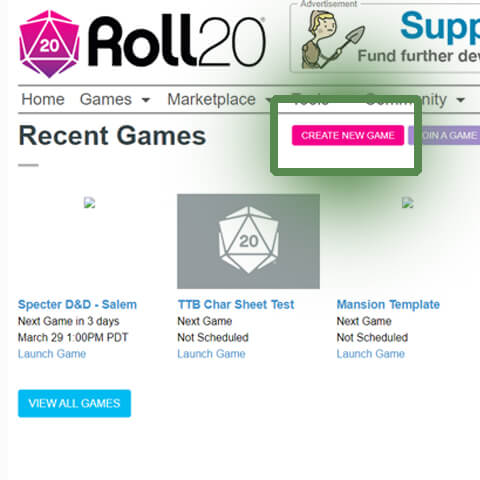
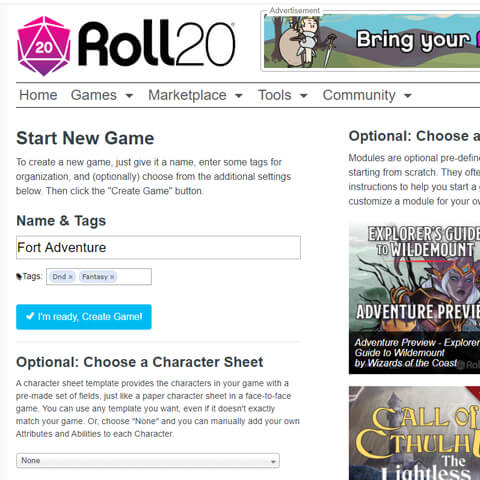
Once that's done, click on the Create New Game button from the Home page. From here yous'll become to name your game, add together any relevant tags, and choice the game arrangement you and your players desire to apply.
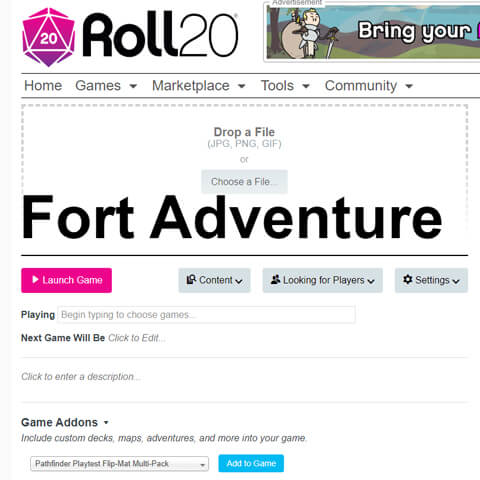
Afterward, click I'm ready, Create Game! (photo i) and yous'll accept new options to add players, specific game content and insert a thumbnail image (photograph 2).
Next, click on theLaunch Game push: this will take you to the virtual tabletop where y'all tin can start poking around. If you need to notice your game after, y'all'll find information technology under theMy Games section.
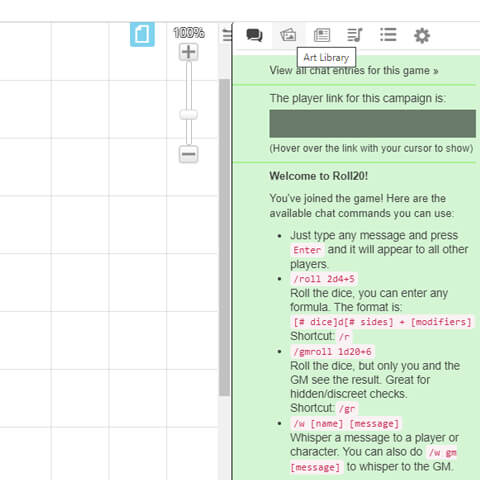
Now that we're familiar with the game editor, first by selecting the Art Library tab in the upper correct corner.
The offset page is the Premium Assets, where you can either pay for pre-made content from thousands of artists, or Gratis Assets, which holds a list of free-to-utilize content for your games. We desire to select theMy Library tab, where nosotros tin upload our content. Simply select theUpload push which will prompt you to either drop a file on the window or upload it.
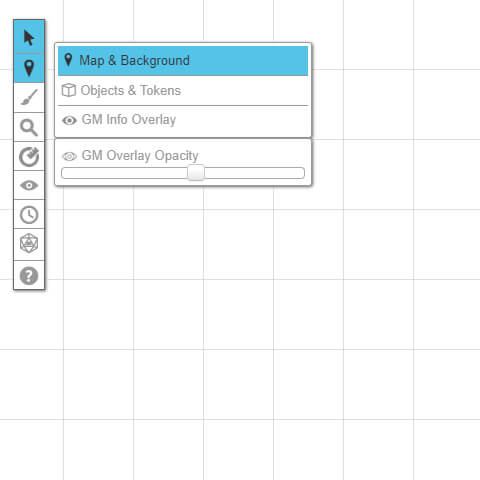
Earlier we add together a map onto the board, the starting time matter nosotros want to practice is make sure that we select theMaps and Background layer. If y'all don't, you could accidentally select and move the map when you meant to move a character token.
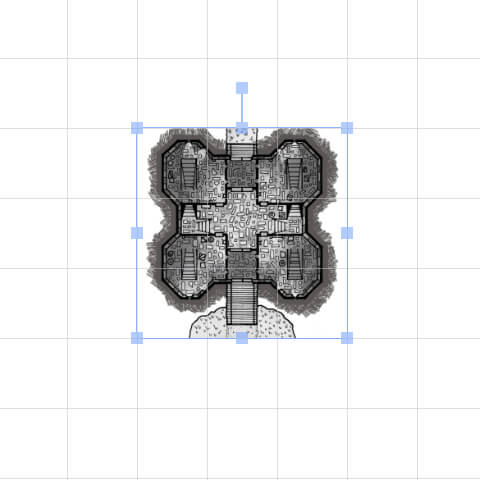
Once we're on the correct layer, drag and driblet your map onto the board. The map won't display at the right size, so we'll accept to resize information technology ourselves. Kickoff, zoom in to 150% to improve see what you're doing and then click on the map. You can resize the map by pulling any corner and stretching it out to go to the right size.
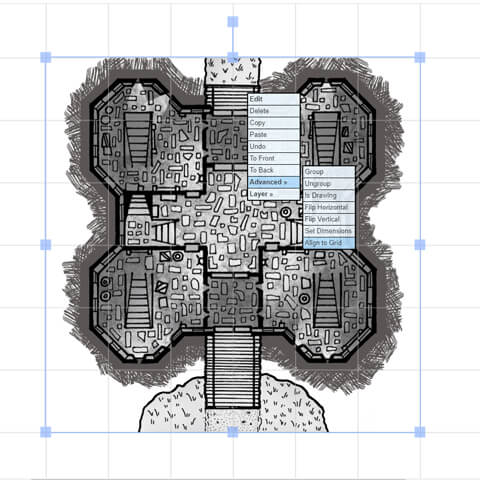
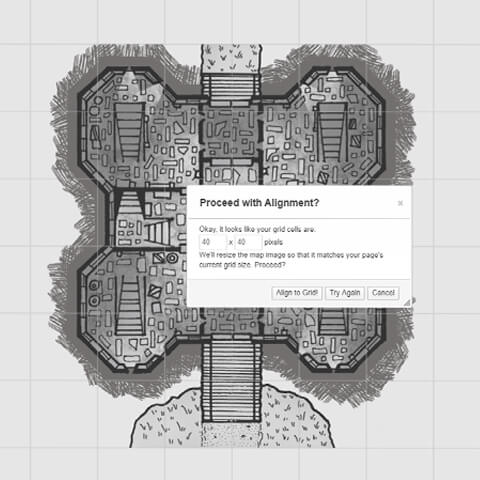
Conversely, Roll20 has a feature called Align to Filigree that takes much of the guesswork out of resizing the map. To use this characteristic, correct-click on your map, mouse over the Advanced section, and then select Align to Filigree. Click and elevate to create a three by three square box aligned with the grid on your map, not the Roll20 filigree.
Try to get as authentic as you can, equally it means you won't accept to alter the size later. One time you lot've got your box, permit go, and a window will pop up and ask if you lot're satisfied with your size. You can adjust the size manually here too. Click Marshal to Grid and your map will resize automatically.
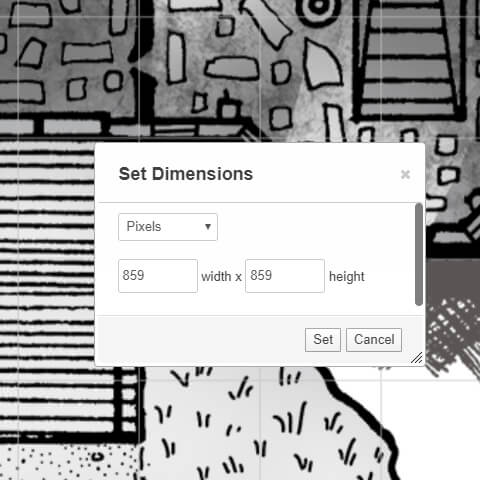
If your map size still isn't to your liking, hold theAlt central after selecting your map and you tin can manually adjust the image. If that still doesn't work, right-click the map and selectAvant-gardeand soSet Dimensions; from here y'all tin alter the pixel width and tiptop
Once you lot're satisfied with the map, change the layer toObjects & Tokens and beginning dropping players & NPCs onto the board!
Equally a note: one matter I did observe while making maps for Roll20 is that it likes to reshape non-foursquare images to fit within the board tiles. For example, at that place was a transport deck map I wanted to utilize that was longer than information technology was broad. Roll20 compressed the paradigm to fit within its filigree, making the map far more narrow than I intended. I found that holding theAlt key as I added the map to the board kept the original shape, though it still needed experimenting to become the right scale.
With that knowledge nether my belt, I ran my first session using Roll20 this past Sunday. My players are unremarkably used to physical maps and tokens, merely information technology didn't have long for them to get acclimated to the program. Our druid usedConjure animals for the starting time time and summoned eight Giant Bats. Normally, I'd have to scramble to discover appropriate tokens but Roll20 has a library of pre-made tokens I was quickly able to add to the lath. Overall, our session went swimmingly (ship pun), and I look forward to making bigger and better encounters in Roll20!
Then tell u.s., what kind of crazy maps and encounters have you lot used in Roll20?
Thank you for dropping by! If you'd like access to more maps and content, including downloadable PDFs of our adventures, check out ourPatreon. We're able to do what we do considering of all our astonishing Patrons! Let united states know in the comments or on Twitter, Facebook, Instagram, or Discord to let us know how information technology went! If you lot'd similar access to more than maps and content, including downloadable PDFs of our adventures, cheque out ourPatreon. Nosotros're able to do what we do because of all our amazing Patrons!
chengasord1970.blogspot.com
Source: https://www.lightheartadventures.com/dungeon-master-tips/making-maps-for-roll20/
0 Response to "What Size Pics Can I Upload to Roll20"
Post a Comment